Marine Gas Systems and Safety Standards
LPG is the most efficient energy source for cooking on a boat. However, because it is heavier than air, any leak will sink to the bilge, turning the vessel into a potential bomb. For this reason, marine gas installations are zero-tolerance systems bound by strict rules (ISO 10239).
When a gas system is inspected, the focus is not just on whether it works, but on how well it can withstand harsh marine conditions.
1. Enemies of the Gas System
The marine environment is brutal. The system must combat:
- Vibration: Causes copper pipes to harden (work-hardening) and loosens connections.
- Movement: The rolling of the boat constantly fatigues the flexible connections behind the stove.
- Corrosion: Fittings and valves must be corrosion-resistant marine-grade materials.
- Temperature Swings: Heat cycles degrade the rubber of flexible hoses over time.
2. The Core Standard: ISO 10239 & Solid Pipework
The internationally recognized standard is ISO 10239. A surveyor will check for the following:
- Solid Pipework: Gas must travel through seamless copper tubing (minimum 0.8 mm wall thickness). They must be secured with rubber-lined P-clips every 30-50 cm to prevent vibration damage.
- Bilge Rule and Routing: The line must be routed as high as practical and never pass through bilge water. Where passing through bulkheads, a rubber grommet must be used to prevent chafing.
- Joint and Solder Bans: The line should be continuous. If a joint is necessary, it must be accessible. Soldering (silver brazing) is strictly prohibited due to vibration cracking risks; only mechanical brass compression or flare fittings should be used, without Teflon tape.
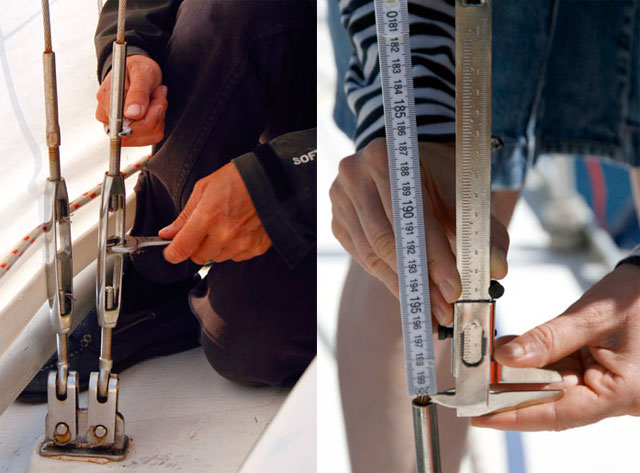
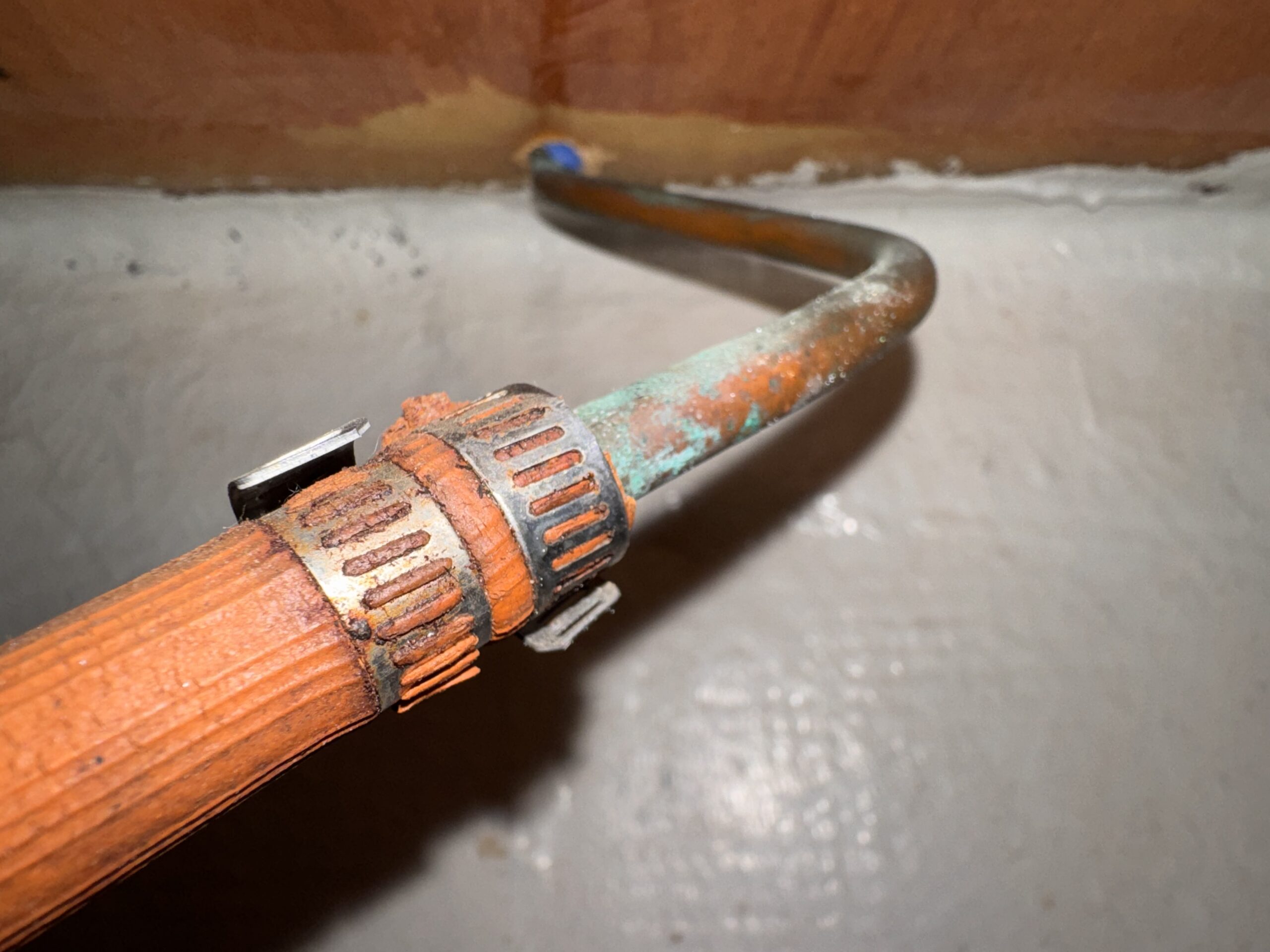
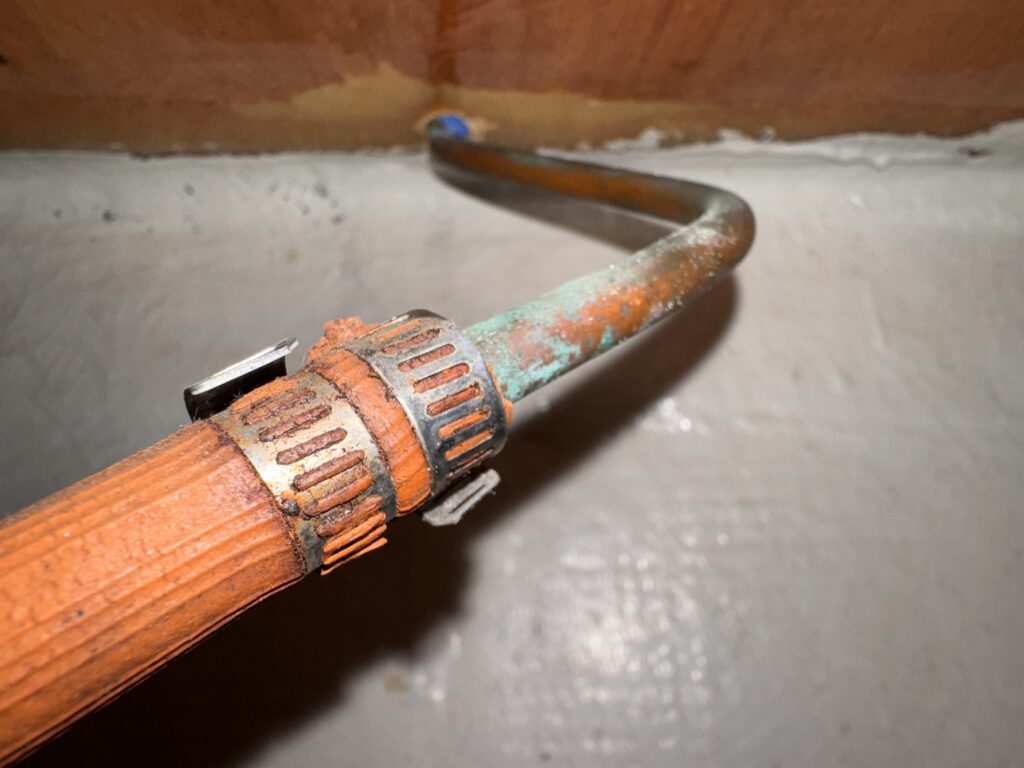
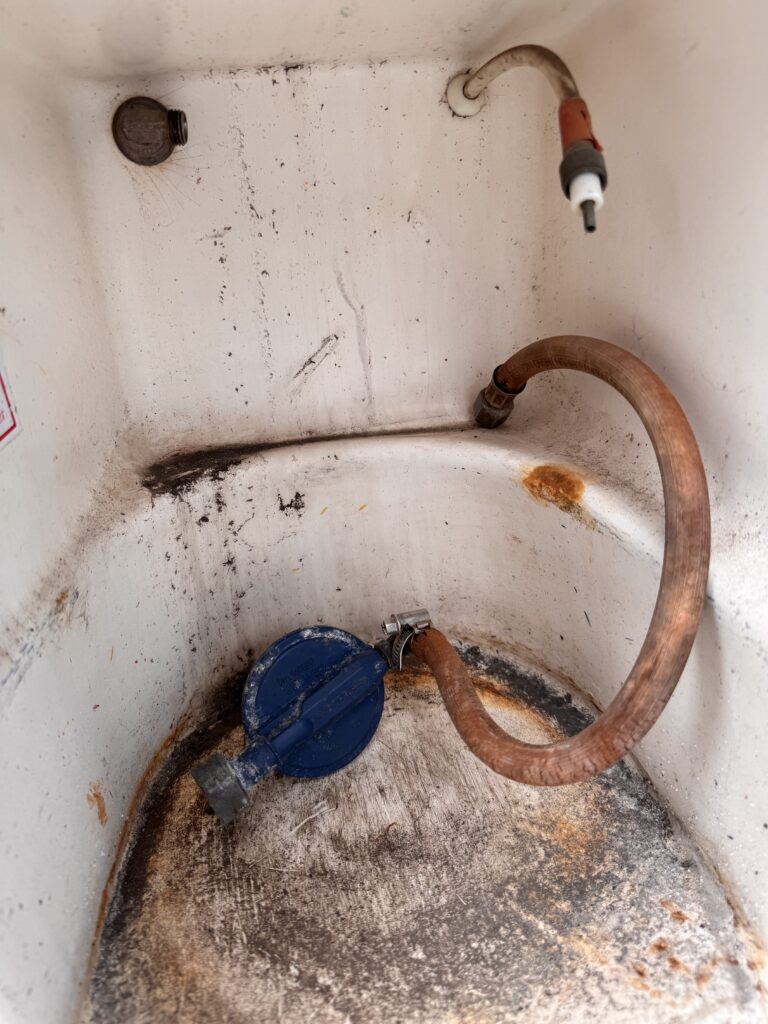
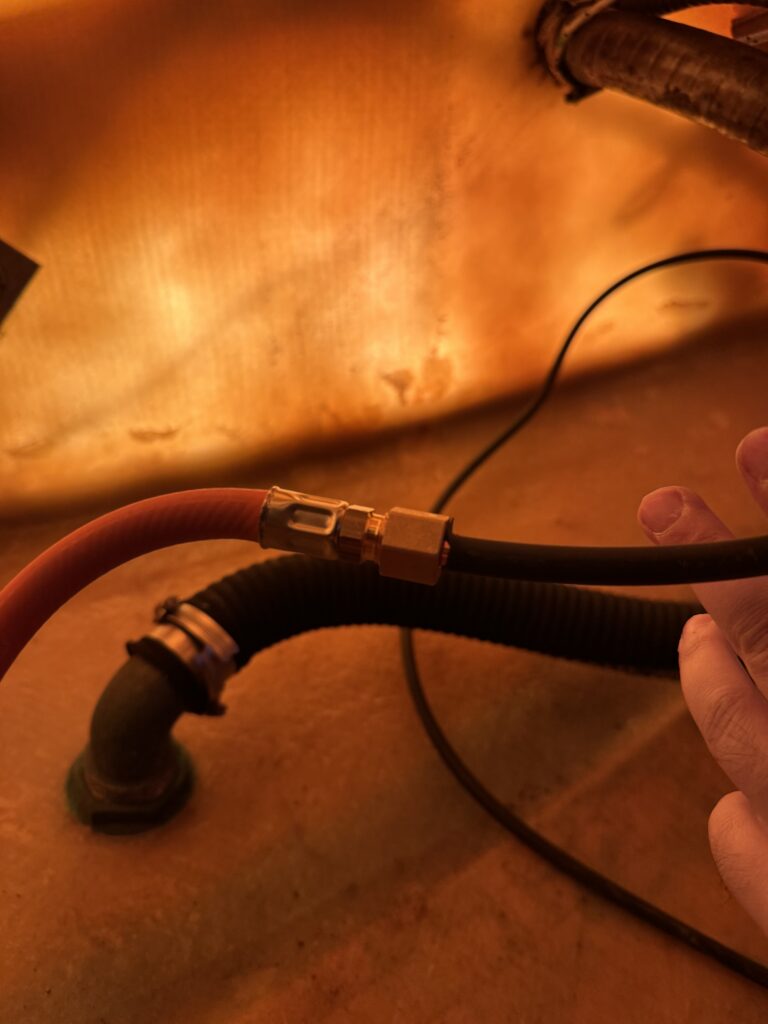
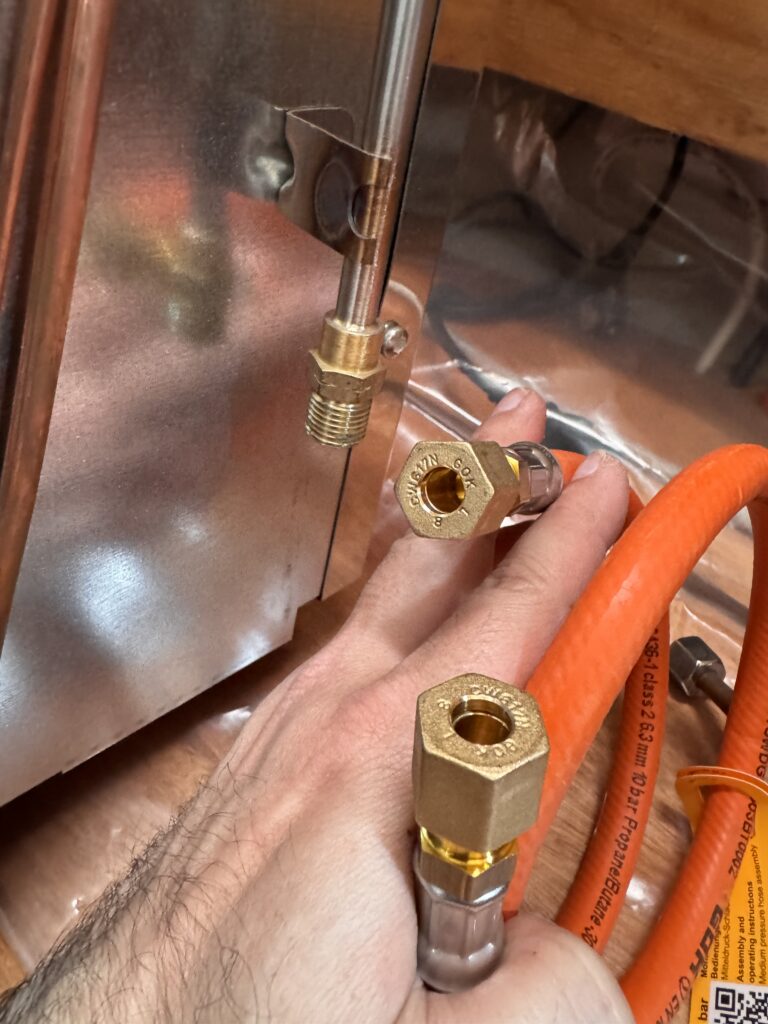
Case Study: The Galene Nomad Copper Pipe Renewal During the survey of my Bavaria 36, Galene Nomad, I discovered corroded copper pipes, deeply cracked flexible hoses, and a regulator that was 10 years past its expiration. The original pipe was in direct contact with the fiberglass behind the side panels, exposing it to moisture. When renewing the entire system, I used PVC-coated copper piping for extra environmental isolation. I re-routed the new lines so they are visually accessible when needed. Unable to find a marine gas technician, I undertook the work myself using specialized pipe cutters and deburring tools. I exclusively used brass compression fittings with olives that expand and seal mechanically when tightened.
3. System Components and Critical Checks
- Gas Locker: LPG cylinders must never be stored inside the cabin. They must be kept in sealed exterior lockers with a drain (minimum 19 mm) at the lowest point, venting directly overboard.
- Regulator and Solenoid Valve: A marine-grade regulator is required. For added safety, an electric Solenoid Valve should be installed immediately after the cylinder, allowing you to shut off the gas from a switch in the galley.
- Oven and Stove Safety: Every burner must have a Thermocouple (Flame Failure Device). It automatically cuts the gas if the flame blows out. Pot holders and gimbals are also mandatory. (Note: During the Galene Nomad refit, I replaced the rusted old oven with a compliant 2-burner ENO stove).
Flexible Hoses and Thread Confusion Flexible hoses are the weakest link, used only to connect the cylinder and the gimballed stove. They should not exceed 1-1.5 meters and have a lifespan of 3-5 years.
Deceptive Similarity: Metric vs. Imperial Fittings I completely rejected standard clamped flexible hoses. Instead, I sourced marine-standard flexible hoses (from the German brand GOK) with factory-swaged G1-type threaded ends. However, there is a trap here: Many users cannot visually distinguish between an 8 mm (M14) Ermeto nut and a G 1/4″ nut, leading to incorrect and dangerous installations. Ensuring the thread types match perfectly at the stove and regulator is vital for a secure seal.
4. Leak Detection, Alarms, and Periodic Checks
Relying on the human nose for gas leaks is risky.
- Leak Testing: After installation, the system must be tested. I hired a professional gas company to test all my new connections using sensitive electronic sniffers and leak-detection sprays.
- Electronic Detectors: Because LPG sinks, sensors must always be placed at the lowest points (bilge or floor level), never on the ceiling. Modern detectors can be wired to automatically shut the solenoid valve if a leak is detected.
LPG System Periodic Checklist
It is vital to uncompromisingly perform the following periodic checks on your boat’s LPG system:
| Checkpoint | Frequency | Method |
| Flame Color | Every Use | Must be blue. Yellow/orange flame indicates poor combustion (CO risk). |
| Solenoid Valve | Every Use | Listen for the “click” sound and verify it cuts the gas flow. |
| Flexible Hoses | Monthly | Visual check for cracks, hardening, or chafing. |
| Drain Hole | Monthly | Check if the gas locker drain is blocked (spider webs, dirt, etc.). |
| Connections | Start of Season | Test with soapy water or leak spray. Never test with a lighter. |