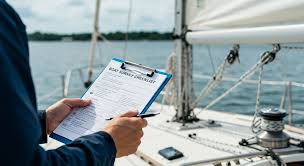
Sailboat Survey Guide – Bonus Chapter 2: Anatomy and Content of the Survey Report
The survey process ends in the field, but the actual product delivered to the buyer is the “Report.” According to industry authorities, a good report is not just a “snag list” of defects, but a legal document that reveals the vessel’s overall health, legal status, and market value, capable of standing as evidence in court.
In this chapter, we will decode how to read a complex survey report, understand the “disclaimer” clauses between the lines, and see what insurance companies focus on.
1. The Cornerstones: Fact vs. Opinion
The most important rule of professional report writing is to clarify the distinction between Fact and Opinion. The reader must be able to distinguish what the surveyor “saw” from what they “surmised.”
- Incorrect (Dangerous): “The rigging looks in good condition.”
- Why? Vague. “Good” according to whom? And how deep was the inspection?
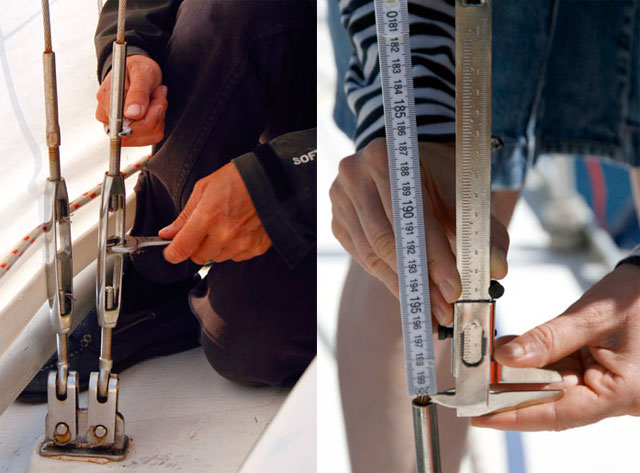
- Correct (Fact): “Chainplates and turnbuckles were visually inspected from deck level; no visible cracks or corrosion were detected. However, since the mast was not unstepped, upper terminals were not inspected.”
- Correct (Opinion): “Based on the inspection of accessible parts and the visual condition relative to its age, I am of the opinion that the rigging is serviceable at this time.”
2. Limitations
No surveyor can see every square centimeter of a boat without damaging it (destructive testing). Therefore, the most legally critical section is the “Limitations” clause. Here, the surveyor states where they could not look and why.
- Typical Examples:
- “The hull structure beneath the water tanks could not be inspected as the tanks are bonded in place.”
- “The engine could not be tested under load as the vessel was on the hard.”
- Importance for the Buyer: If the surveyor doesn’t write that they couldn’t see under the tank, and the boat leaks from there after purchase, you can hold the surveyor liable. If it is written, the risk is yours (Caveat Emptor).
3. Recommendations and Categorization
The core of the report is the conclusion, where findings are turned into an action plan. In a standard report, defects are categorized by severity:
- Essential / Mandatory:
- Meaning: Critical defects that must be repaired before the boat goes to sea.
- Insurance Impact: Insurers usually will not cover the boat until these items are fixed.
- Ex: Gas leak, cracked seacock, broken strand in rigging, non-functional bilge pump.
- Maintenance / Short Term:
- Meaning: Defects that don’t immediately threaten safety but will cause issues soon and reduce value.
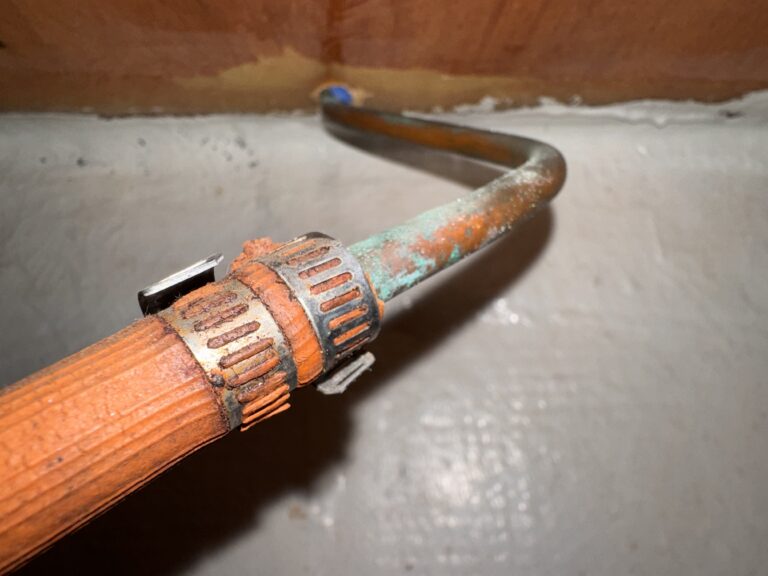
- Ex: Replacing anodes, annual engine service, old hoses, worn ropes.
- Cosmetic / Optional:
- Meaning: Aesthetic defects affecting appearance but not safety or structure.
- Ex: Faded gelcoat, scratched varnish, stained upholstery.
4. Valuation
Reports typically end with a “Fair Market Value” estimate. This is required for bank loans and Hull & Machinery insurance.
- Note: This is not the value of the boat in “pristine” condition. The surveyor deducts the cost of identified defects (e.g., osmosis treatment or engine overhaul) to arrive at the “as-is” value.
- Negotiation Power: If the surveyor’s valuation is lower than the seller’s asking price, you have a powerful negotiation document.
2025 Perspective: Digital Reporting
By 2025, printed black-and-white reports are a thing of the past.
- Interactive PDFs: Modern reports are interactive documents where clicking on a defect opens high-resolution photos or plays videos of the engine running or water in the bilge.
- Database Checks: Modern surveyors check the Hull Identification Number (HIN) and Engine Serial Numbers against international stolen/liened boat databases and include the results in the report.