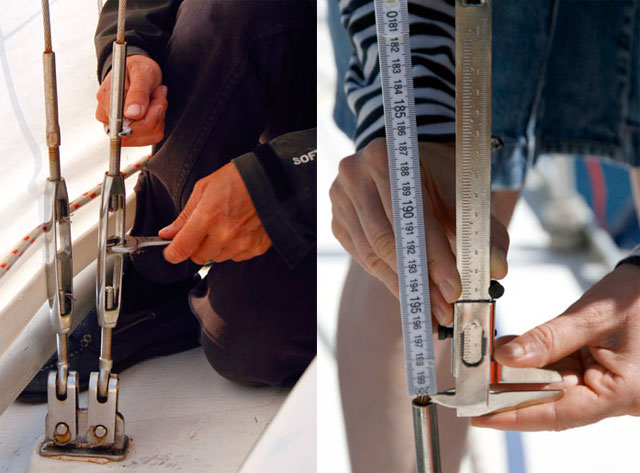
Sailboat Survey Guide – Chapter 6: Mast, Boom, and Rigging Checks
For many buyers and even some surveyors, inspecting the rig consists of looking up at the masthead from the deck with binoculars and saying, “Looks satisfactory.” However, leading industry experts state that this approach is “fiction” and gives the client a false sense of security. A real inspection aims to detect metal fatigue, galvanic corrosion, and potentially fatal misalignments.
In this chapter, we will examine critical stress points in the mast and rigging, and how inspection standards have evolved with 2025 technology.
1. Mast and Boom (Spars): Corrosion and Cracks
Sailboat masts are typically made of anodized aluminum. However, the hardware attached to them (winches, cleats, spreader brackets) is usually stainless steel.
Critical Issue: Galvanic Corrosion
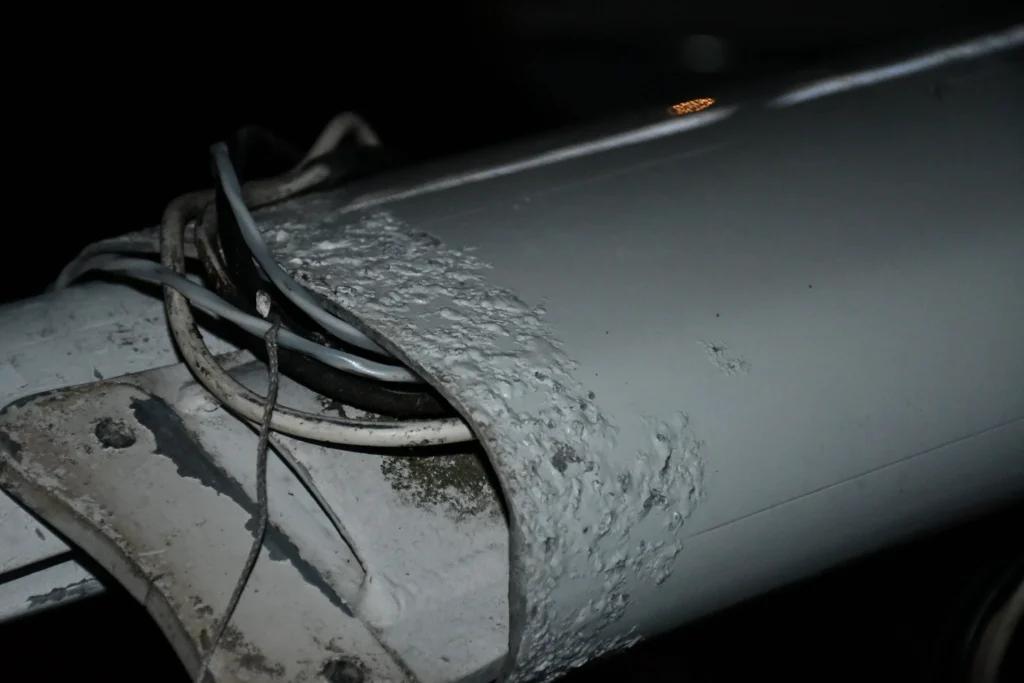
- The Problem: Stainless steel and aluminum are dissimilar metals that are enemies in a marine environment. Paint blistering or white powdering starting around stainless steel fittings indicates that the aluminum mast wall underneath is dissolving.
- The Danger: If there is corrosion around the fitting, the condition underneath the contact surface is much worse. This weakens the mast wall and can cause it to buckle under load.
Spreader Connections: One of the biggest stress points on the mast is the spreader roots. Specifically, welded or riveted spreader sockets should be checked for stress cracks.
- Test (“Swigging”): Hold the main shrouds at shoulder height and pull them towards you and release with all your strength to shake the mast. While doing this, look up at the spreader connections. If there is any movement, a “clunking” sound, or flexing at the joint, the rivets may be loose or the socket cracked.
Mast Step/Heel:
- Keel Stepped: If the mast base sits in bilge water, corrosion is inevitable. The interaction between stainless steel studs and the aluminum mast base can eat through the mast wall “like cheese.”
- Deck Stepped: Is there any depression or gelcoat crazing on the deck where the mast sits? This is a sign that the compression post beneath has rotted or the deck sandwich structure has collapsed.

2. Standing Rigging: Wires and Terminals
Modern production boats typically use 1×19 stainless steel wire. This wire is strong but sensitive to fatigue.
A. Terminals and Alignment Errors
- Alignment: Terminals at the masthead (T-bars or tangs) must align perfectly with the angle of the wire. If the terminal does not seat properly and the wire is bent (kinked) as it exits the terminal, metal fatigue develops very rapidly.
- Check: Look for vertical cracks in the terminals. Especially on swaged terminals, hairline cracks can form at the neck.
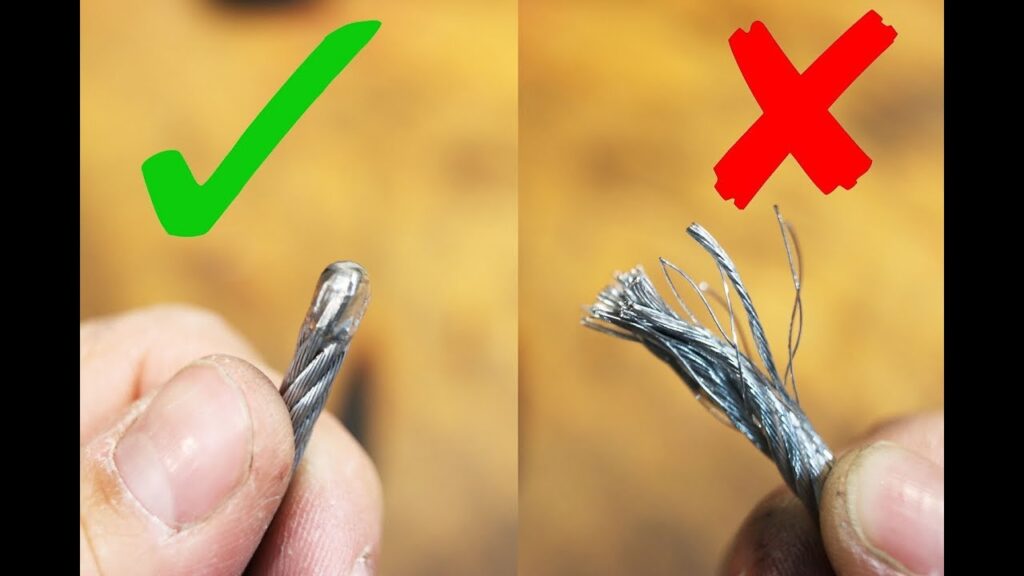
B. The “Meathook” Test When stainless steel wire reaches the end of its life, individual strands begin to break.
- Test: Run a piece of cotton or a rag along the wire (especially at the lowest point where it enters the terminal). If the cloth snags on something, you have a broken wire strand (meathook). Even a single broken strand is a sign that the rigging must be replaced immediately.
C. Chainplates The most insidious danger on deck. As stainless steel plates pass through the deck, the sealant degrades over time.
- Crevice Corrosion: Water seeps under the deck and rots the stainless steel plate in the oxygen-starved environment of the deck passage. A plate that looks solid from the outside may be 50% thinned inside the deck.
- Tip: Look for rust stains or water leak trails at the chainplate anchor points under the deck (usually hidden behind furniture).
3. Furling Gear Risks
Headsaill furling systems hide the forestay inside an aluminum profile.
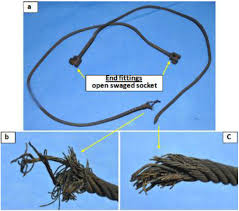
- Critical Point: At the very top of the furling system, where the wire exits the extrusion, the wire strands can unravel (unlay) due to “halyard wrap” or metal fatigue.
- Inspection: It is impossible to see this area from below. The top end of the system (where the wire enters the profile) must be carefully inspected via drone or by climbing the mast.
2025 Perspective and Current Notes
- Drone Inspection: Today, surveyors use drones with high-resolution cameras instead of climbing the mast. This allows for a 4K inspection of spreader roots and the masthead. However, it does not replace the “swigging” test; physical contact is still essential.
- Rod and Composite Rigging: In performance boats (e.g., X-Yachts, Arcona), “Rod Rigging” (solid bar) is common. Rod rigging does not show broken strands like wire before failure; it breaks suddenly. Therefore, adherence to manufacturer-specified replacement intervals (usually 8-10 years or specific mileage) for “cold heads” must be documented.
- Carbon Masts: In 2025, carbon masts are more common. Carbon does not corrode but is sensitive to impact and can suffer serious damage from lightning strikes. The condition of the UV clear coat should be checked.
Summary Advice: If you are buying a used boat and the rigging is over 10 years old, insurance companies usually require the rig to be unstepped and inspected/replaced by a professional rigger. If the age of the rigging is unclear in the survey report, budgeting for a full rigging replacement is the safest route in negotiations.