Sailboat Survey Guide – Chapter 5: Rudder System and Blade Checks
There is an old saying in seamanship: “To lose the rudder is to lose the ship.” On a sailboat, the rudder is the component that is constantly in motion, bears huge hydrodynamic loads, and is most often neglected because it is underwater and out of sight.
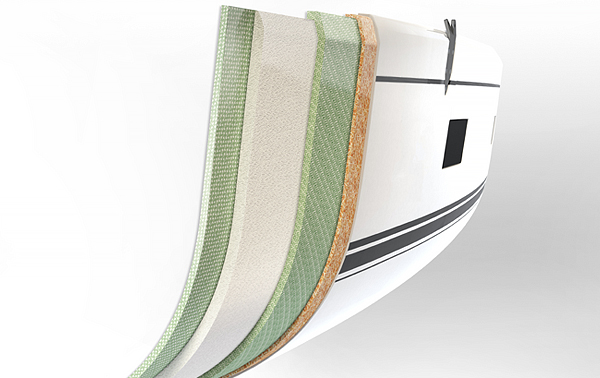
In modern production boats (GRP), rudders typically consist of two fiberglass half-shells closed around a stainless steel or aluminum shaft (stock). This enclosed structure prevents us from seeing what is happening inside, making the survey critical.
1. Rudder Blade Issues
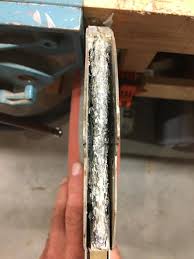
Structural Weakness and Water Ingress: Most GRP rudder blades are manufactured by joining two halves filled with high-density foam.
- Splitting: Over time, the two halves can separate, especially at the point where the stock enters the blade or along the leading edge.
- The Result: When water gets in, the bond between the internal metal stock (the skeleton) and the blade’s internal structure weakens. Worse, the trapped water causes invisible corrosion on the stainless steel stock.
- Test:
- When you shake the blade, do you hear water sloshing inside?
- Do moisture meter readings on the blade go “Off-Scale”?
- If a small hole is drilled at the bottom of the blade, does water drain out?
2. Rudder Stock and Corrosion
The rudder stock is the metal tube that connects the blade to the boat and transmits the turning motion.
A. Stainless Steel Stocks:
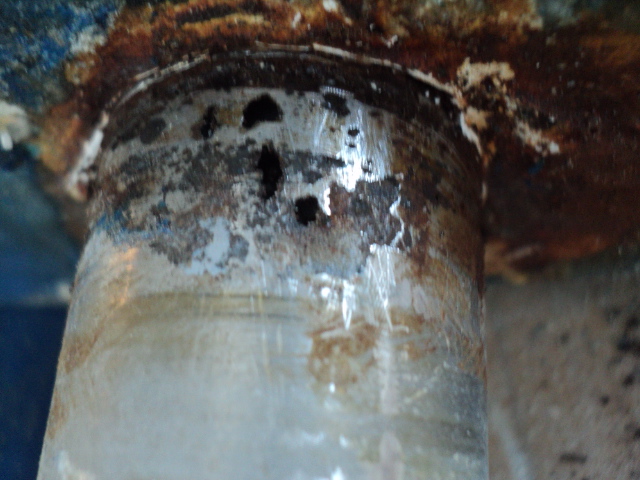
- Corrosion Risk: Stainless steel suffers from corrosion in anaerobic environments (e.g., inside a wet rudder blade wrapped in foam). This is called Crevice Corrosion. A stock that looks shiny on the outside may be thinned or rotted away at the point where it enters the blade.
B. Aluminum Stocks and Galvanic Danger: Many modern production boats (especially post-2000) use aluminum stocks to save weight.
- Copper Antifouling Danger: If the boat has been painted with high-copper content antifouling paint and this paint accidentally touches the aluminum stock or bearings, galvanic corrosion occurs very rapidly. Copper and aluminum are enemies in seawater; the aluminum will dissolve.
- Detection: If you see white powder (oxidation) or deep pits (pitting) on the stock, its structural integrity may be compromised.
3. Rudder Bearings and Mechanical Checks
The biggest enemies of the rudder system are play (slop) and wear.
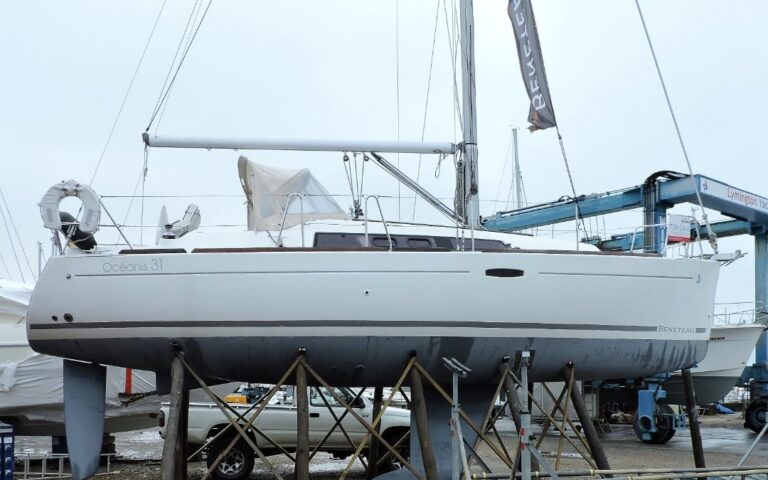
A. The “Maximum Force” Test: The best way to test the rudder while the boat is on the hard is to lock the wheel or tiller in the cockpit, then go down and force the rudder blade from port to starboard with all your strength.
- Method: Do not be gentle in this test. A surveyor applies their full body weight. If something breaks or flexes under human force, it implies that the part is already defective and would likely fail under wave loads at sea.
- What to look for: Does the blade rotate independently on the stock? is there excessive “clunking” play in the bushes/bearings?
B. Skeg and Pintle Connections: If the rudder is hung behind a skeg, check the metal fittings (pintles and gudgeons). Stainless steel nuts may look sound from the outside, but when tapped lightly with a screwdriver or hammer, they may crumble due to corrosion.
4. Steering Gear
In boats with wheel steering, motion is usually transmitted via cables or chains.
- Cables: Check stainless steel cables for broken strands (known as “meathooks”). These cables usually run on a quadrant. Loose cables can jump out of the groove and jam.
- Emergency Tiller: Every wheel-steered boat must have an emergency tiller. During the survey, always try to fit this tiller into its socket. Sometimes rusted sockets or retro-fitted hardware prevent the emergency tiller from being fitted when it is needed most.

2025 Perspective and Current Notes
- Composite Stocks: Today, in performance cruisers (e.g., X-Yachts, Solaris), carbon fiber or epoxy composite rudder stocks are becoming standard. These materials do not corrode, but unlike metal which bends, they can crack or shear upon heavy impact (e.g., hitting a floating object).
- Jefa Bearing Systems: Most modern boats use “Jefa” brand or similar self-aligning roller bearings. These systems make steering very light, but if neglected, they can fill with salt and dirt and seize up. If the steering feels gritty or “notchy,” the bearings may need cleaning or replacement.
- Twin Rudders: Twin rudders are common on modern wide-stern designs. When these boats run aground, they may rest directly on the rudder blades rather than the keel. This can lead to bent stocks or cracks at the hull connection. When buying a twin-rudder boat, the straightness of the stocks must be checked with extra care.