Sailboat Survey Guide – Chapter 8: Safety, Systems, and the Art of Reporting
A boat’s hull may be solid as a rock, and its rigging in perfect condition; but a gas leak from a stove or poorly wired electrics can destroy the vessel (and those inside) in minutes. This final stage of the survey process focuses on critical systems that often pose “life-threatening” risks but are overshadowed by cosmetic details.
In this chapter, we will examine the warning signs in gas and electrical systems and how to “correctly” read a professional survey report.
1. Gas System: The Silent Danger
Gas systems are one of the most challenging areas for surveyors because legal standards (ISO 10239, RCD) are complex, and many boat owners may have made unauthorized modifications.
What Should a Buyer Look For?
- Gas Locker: The locker housing the cylinder must be completely sealed from the boat’s interior (gas-tight) and must have a dedicated drain leading directly overboard. LPG is heavier than air; in the event of a leak, allowing gas to flow into the bilge is like lighting a fuse on a bomb.
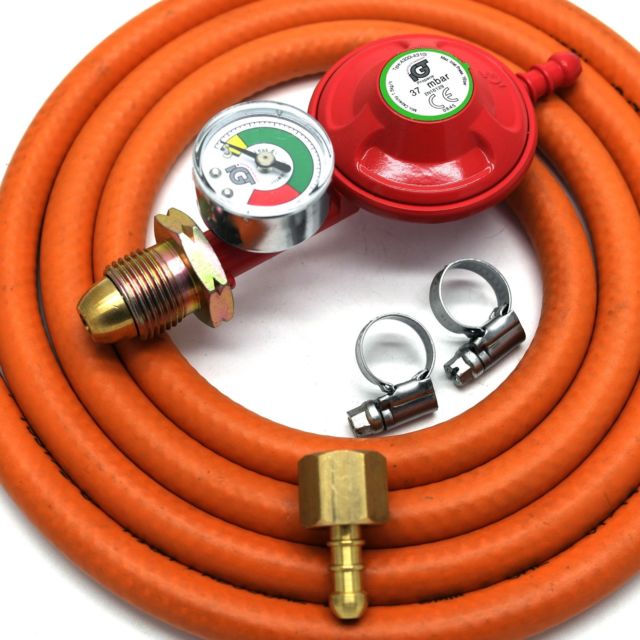
- Flexible Hoses: Hoses have a production date or “replace by” date printed on them. International standards typically recommend replacing hoses every 5 years. Check for cracks by bending the hose.
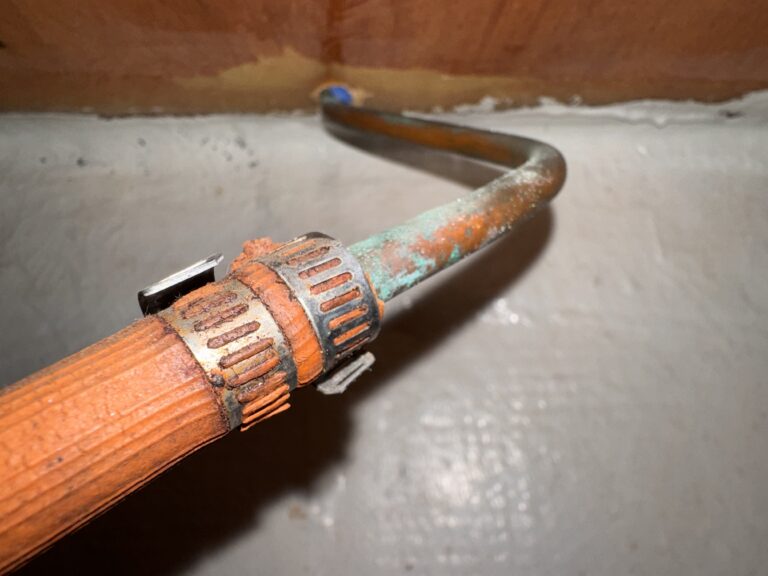
- Copper Pipes: Gas lines are usually run with copper piping. These pipes must be supported by clips every 30-50 cm, especially at locker exits and valve connections. Unsupported copper pipes harden and fracture due to vibration (work hardening).
Surveyor’s Warning: A surveyor typically conducts only a “visual” inspection of the gas system and performs a “functional test” (lighting the burners). This is not a “Gas Safety Certificate.” A full pressure test and leak guarantee require a certified gas technician.

2. Electrical System: Fire Risk and Corrosion
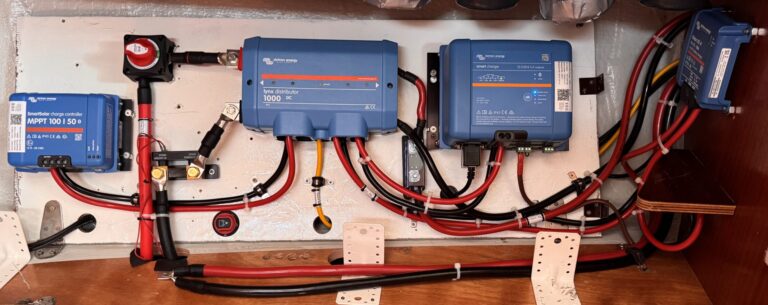
Electrical systems in modern boats are becoming increasingly complex. While a deep electronic analysis is usually not part of a standard survey, basic safety checks are vital.
A. 12V/24V DC Systems
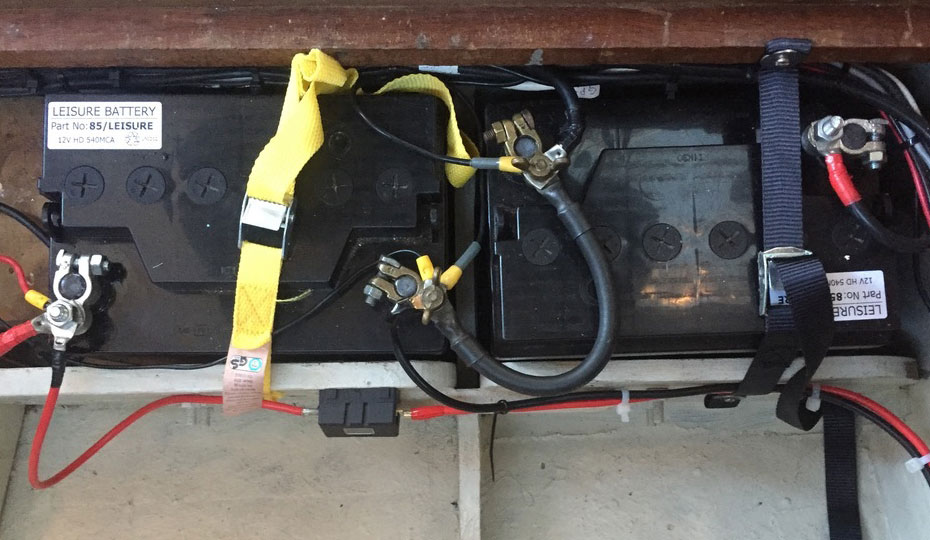
- Battery Security: Batteries are very heavy. Even if the boat capsizes or hits a hard wave, the batteries must not move. Batteries held in place only by their own weight or by rotting straps are a major risk. They can short-circuit and cause a fire.
- Wiring Mess: Wiring that looks like a “bird’s nest,” unlabeled, sagging, and taped without proper terminals is a sign of amateur workmanship and potential fire risk. In a marine environment, every exposed connection invites corrosion.
B. 230V Shore Power
- RCD (Residual Current Device): Every boat with shore power must have an RCD and a breaker box at the entry point. This is the first line of defense against electric shock and fire.
- Test: A simple socket tester should be used to check for earth continuity and reverse polarity in the boat’s outlets.
3. Bilge Pumps and Safety Equipment
- Bilge Pumps: Test that manual and electric pumps are working. Most importantly, check if the float switches for the electric pumps are functional.
- Strum Box: There must be a strainer (strum box) at the end of the pump’s suction hose. Otherwise, a screw or wire scrap in the bilge can jam the pump impeller.
- Fire Extinguishers: In the engine room, having a “fire port” that can be triggered from outside (the cockpit) or an automatic fire suppression system is a requirement of modern safety standards.
4. The Survey Report: The Line Between Fact and Opinion
Let’s recall the golden rule mentioned at the beginning of the series: “Never confuse Fact with Opinion.” A good report makes this distinction clear.
What to Look for When Reading a Report:
- Limitations: Every surveyor states, “Inaccessible areas were not inspected.” However, a good surveyor clearly states which areas were inaccessible (e.g., “The bilge compartment under the water tank could not be inspected as it was screwed down”). “Generally in good condition” is no guarantee for areas that were not opened up.
- Recommendations: The end of the report usually contains three categories:
- Urgent/Mandatory: Must be done before the boat goes to sea or is insured (e.g., cracked seacock, gas leak).
- Important/Short Term: Maintenance to be done within the first season (e.g., 10-year-old rigging, depleted anodes).
- Cosmetic/Optional: Aesthetic defects that do not affect safety.
- Documents and Invoices: The report may state, “The engine was stated to be overhauled last year.” However, the golden rule of surveying is: “You must see invoices for claimed repairs.” A “new engine” without an invoice is just a rumor.
2025 Perspective and Current Notes
- Lithium (LiFePO4) Battery Revolution: By 2025, many boats have switched to Lithium batteries. It is vital to check if these are protected by an external BMS (Battery Management System). Incorrectly installed lithium systems carry different and more intense fire risks than lead-acid batteries.
- Carbon Monoxide (CO) Alarms: In modern safety standards, a CO alarm in every sleeping cabin is now becoming mandatory. These are often missing in older boats and must be retrofitted.
- Digital Switching: In new boats, touchscreen digital distribution panels are common instead of physical fuses. Check if the override mechanisms for these systems are working.
Series Conclusion: Throughout this 8-part series, we have covered how to inspect a sailboat from keel to masthead. The most important lesson to take away is this: There is no perfect boat. Every used boat has flaws. The key is to distinguish whether these flaws are “structural and dangerous” or “cosmetic and fixable.” The surveyor gives you the technical data; you make the decision based on your risk tolerance.