Navigation in a Storm: Finding Direction Inside the Wind
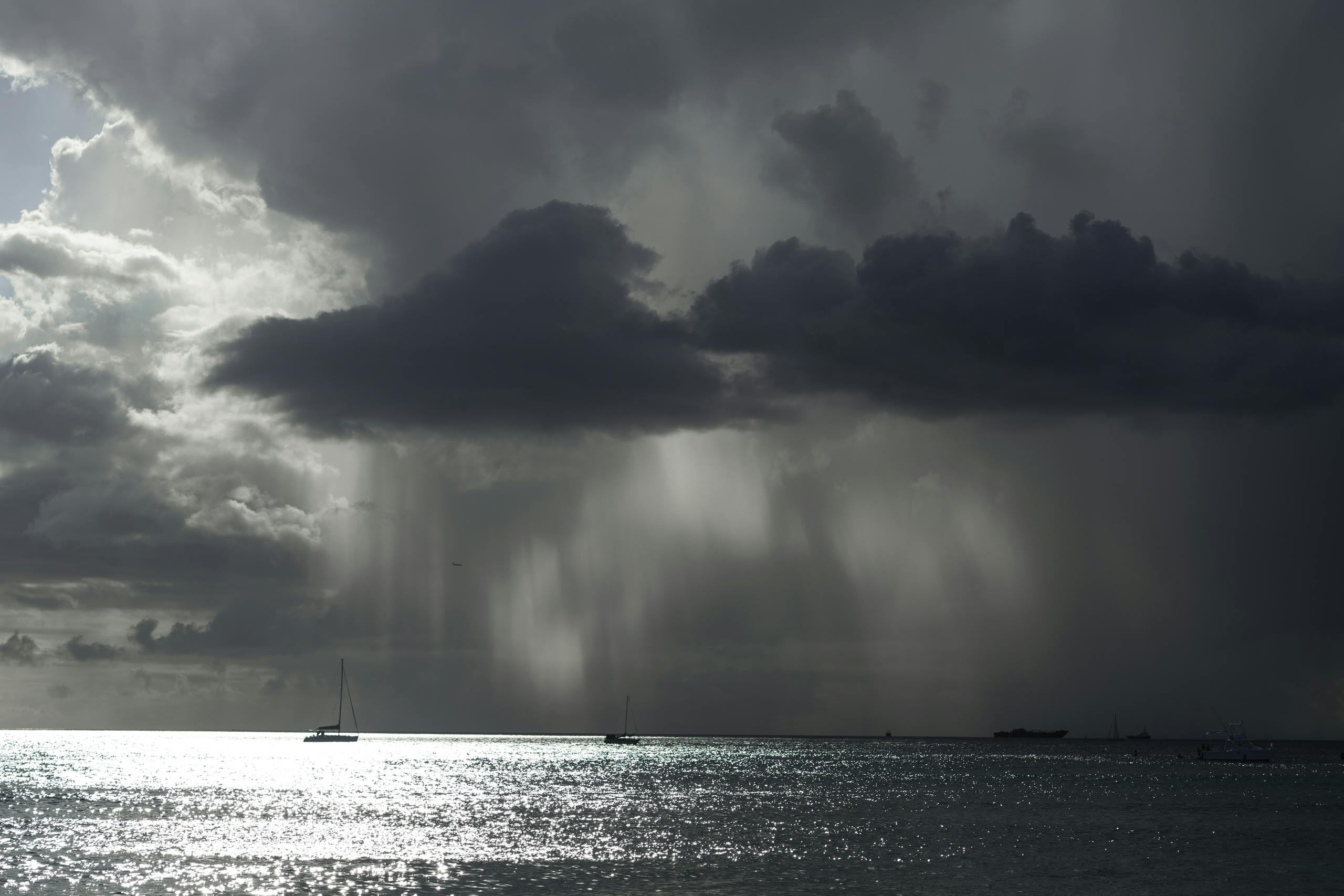
A storm at sea is not just stronger wind or bigger waves. The real test begins when visibility drops, sounds blend together, and the sense of time fades. In those moments, navigation becomes less of a technical skill and more of a mental discipline.
Storm navigation starts long before the storm arrives. Weather forecasts, falling pressure, sudden wind shifts — all are signs of an approaching system. When these warnings are taken seriously, routes become simpler and decisions are made earlier. Every delayed maneuver during a storm costs twice the effort.
Once the storm hits, the first rule is to let go of route obsession. The destination is no longer the priority — the boat’s safety is. Compass, GPS, and charts must work together. Electronics are trusted, but never blindly. Under heavy wind and waves, a boat’s actual course can differ significantly from what the screen shows.
Wave direction becomes the invisible compass. Taking waves at a 45-degree angle often reduces stress on the boat. Sailing hard on the wind or dead downwind may look correct on paper but can be punishing in reality. Navigation here is not mathematics; it is a dialogue with the sea.
Night storms demand even more attention. Visual references disappear, and the horizon vanishes. Small but regular checks become critical: course deviations, speed changes, surrounding traffic. Good storm navigation is the sum of constant, minor corrections.
The most critical element is the human factor. Fatigue quietly erodes decision-making. That’s why storm navigation is not only about managing the boat, but also managing the crew. Short watches, clear roles, and calm communication are often more valuable than the most advanced instruments.
The storm passes. The sea settles. What remains are the decisions made along the way. Good navigation doesn’t just save the boat — it carries the story safely to its next chapter.